Wyoming is one of the most geographically dramatic states in the American West, home to Yellowstone National Park, Grand Teton, and the Wind River Range - attractions that draw millions of visitors each year yet still manage to feel remote once you leave the main corridors. Whether you're driving the John D. Rockefeller Jr. Memorial Parkway, fly-fishing the Snake River, or heading through Douglas on a cross-state road trip, choosing the right base directly shapes the quality of your experience. This guide covers 4 hotels across Wyoming's key travel zones, with concrete details to help you book smarter.
What It's Like Staying in Wyoming
Wyoming operates on wide open space and long driving distances - most major attractions are separated by hours of high-desert or mountain highway, so your hotel's location is a genuine logistical decision, not just a preference. Crowds concentrate heavily around Yellowstone and Jackson Hole from late June through August, when accommodation demand spikes and last-minute availability near the parks becomes scarce. Travelers who prefer solitude, wildlife, and authentic ranch culture often find more value - and more space - by staying in towns like Dubois, Alpine, or Douglas rather than the most marketed gateway hubs.
Wyoming suits self-driving travelers, outdoor enthusiasts, families on multi-day national park itineraries, and anyone seeking a genuine Western landscape experience. Public transport between towns is essentially nonexistent, making a rental car non-negotiable for nearly every itinerary. Urban amenity seekers or those relying on walkable dining and nightlife districts will find Wyoming's smaller towns limiting.
Pros:
Wyoming's five national parks and monuments - including Yellowstone and Grand Teton - are accessible from multiple hotel bases covered in this guide
Staying in smaller towns like Dubois or Alpine means around 60% lower nightly rates than Jackson Hole properties in peak season
Wide-open roads with minimal traffic outside summer peak make day-trip logistics straightforward for road trippers
Cons:
Distances between hotels and major park entrances can exceed 90 km, requiring early morning departure planning
Dining options outside Jackson, Casper, and resort zones are limited - especially after 8 PM
Wyoming winters close or restrict access to many scenic routes and hiking areas from November through April
Why Choose These Hotels in Wyoming
Wyoming's hotel landscape ranges from roadside motels serving interstate travelers to full-service ranch resorts designed around outdoor activities, and the properties in this guide reflect that genuine variety. Unlike resort clusters in Colorado or Utah where luxury options are densely concentrated, Wyoming's best-value stays are spread across distinct geographic zones - each serving a different type of itinerary. A ranch-style resort near Dubois or Alpine offers amenities - steak houses, hot tubs, mountain views - that would cost significantly more in Jackson Hole or Teton Village, making them compelling alternatives for travelers willing to drive an extra 45 minutes to a park entrance.
Room sizes in Wyoming's independent motels and ranch resorts tend to be more generous than urban hotel equivalents, and free parking is effectively universal across all property types here. The trade-off is that amenity consistency varies sharply - a 2-star motel in Douglas delivers the basics reliably, while a resort property in Alpine provides full F&B, pool, and recreational facilities at a mid-range price point unavailable in most comparable destinations.
Pros:
Ranch resort properties in Wyoming include steak houses, hot tubs, and outdoor activity access at rates that would classify as budget in major tourist states
Free parking is standard across all property types, eliminating a cost that adds up quickly at destination resorts elsewhere
Family rooms and multi-unit configurations are widely available, reducing the need to book multiple standard rooms
Cons:
Properties in smaller Wyoming towns have limited walkable amenities - a car is required even for basic errands
Service standards and design quality vary widely between independent motels and resort-style properties
Off-season closures or reduced services affect some resort properties between October and May
Practical Booking and Area Strategy for Wyoming
Wyoming's most strategic hotel zones depend entirely on your itinerary. Alpine sits at the entrance to Snake River Canyon and positions travelers within 45 minutes of downtown Jackson and the southern Grand Teton entrance - making it a smart alternative base when Jackson Hole properties are sold out or priced out of range. Dubois, located on US-26/287, is the last town before the eastern Wind River Range and serves as a genuine value hub for Yellowstone's east approach. Douglas, positioned on Interstate 25 between Cheyenne and Casper, is a practical overnight stop rather than a destination base - useful for multi-night road trips crossing central Wyoming.
For Yellowstone and Grand Teton visits, book accommodation at least 8 weeks in advance for any July or August dates, as gateway towns sell out entirely and last-minute options may require staying over 100 km from park entrances. Late May and early September offer the best balance of access and availability, with crowds reduced by around 40% compared to peak summer weeks and most park roads fully open. Travelers focused on wildlife viewing - particularly elk, bison, and moose - find September mornings in the Dubois and Alpine corridors especially productive before the first hard frost pushes herds to lower elevations.
Best Value Stays in Wyoming
These properties offer reliable access to Wyoming's main travel corridors and key attractions at rates that make multi-night stays feasible without sacrificing essential comfort or on-site dining options.
-
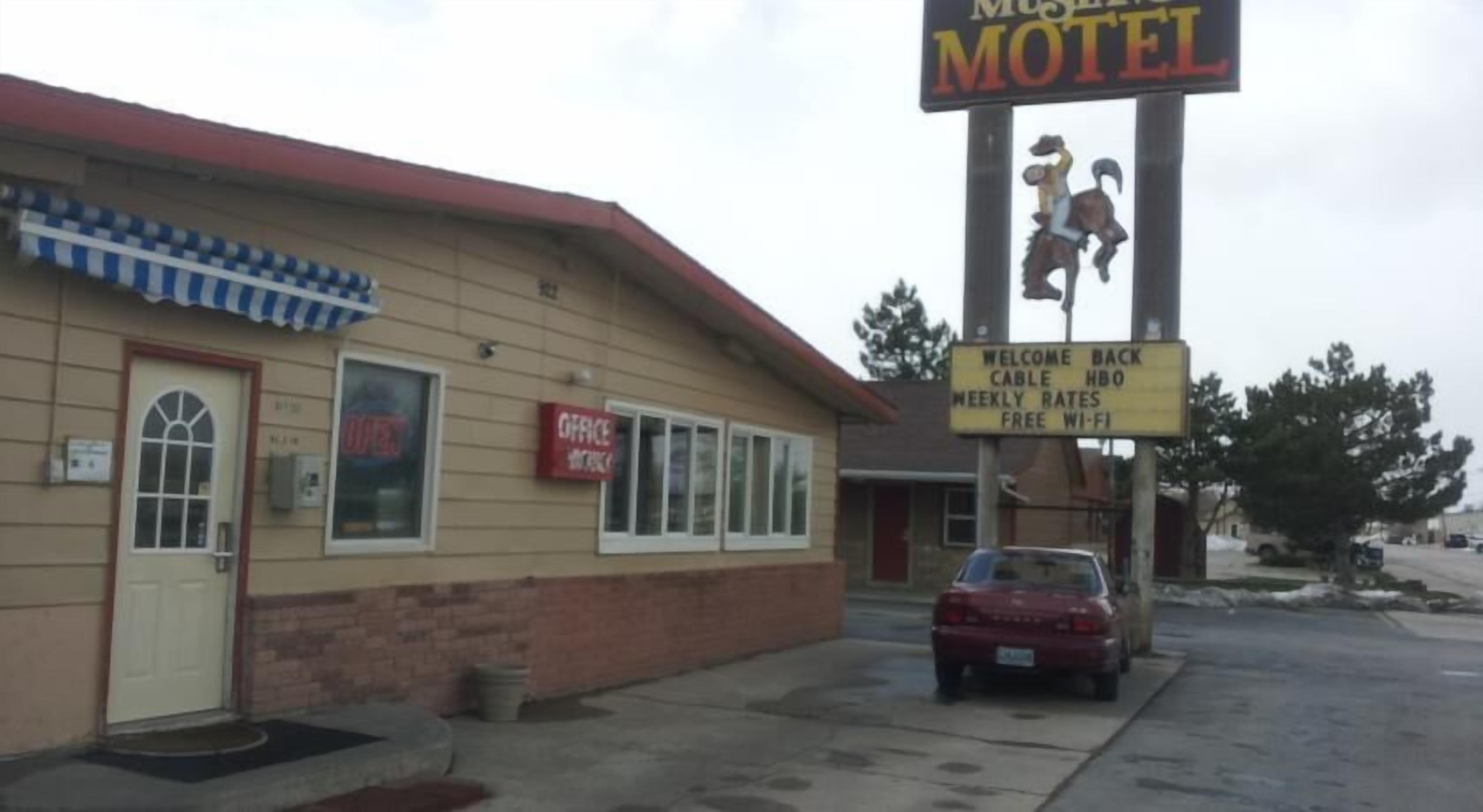
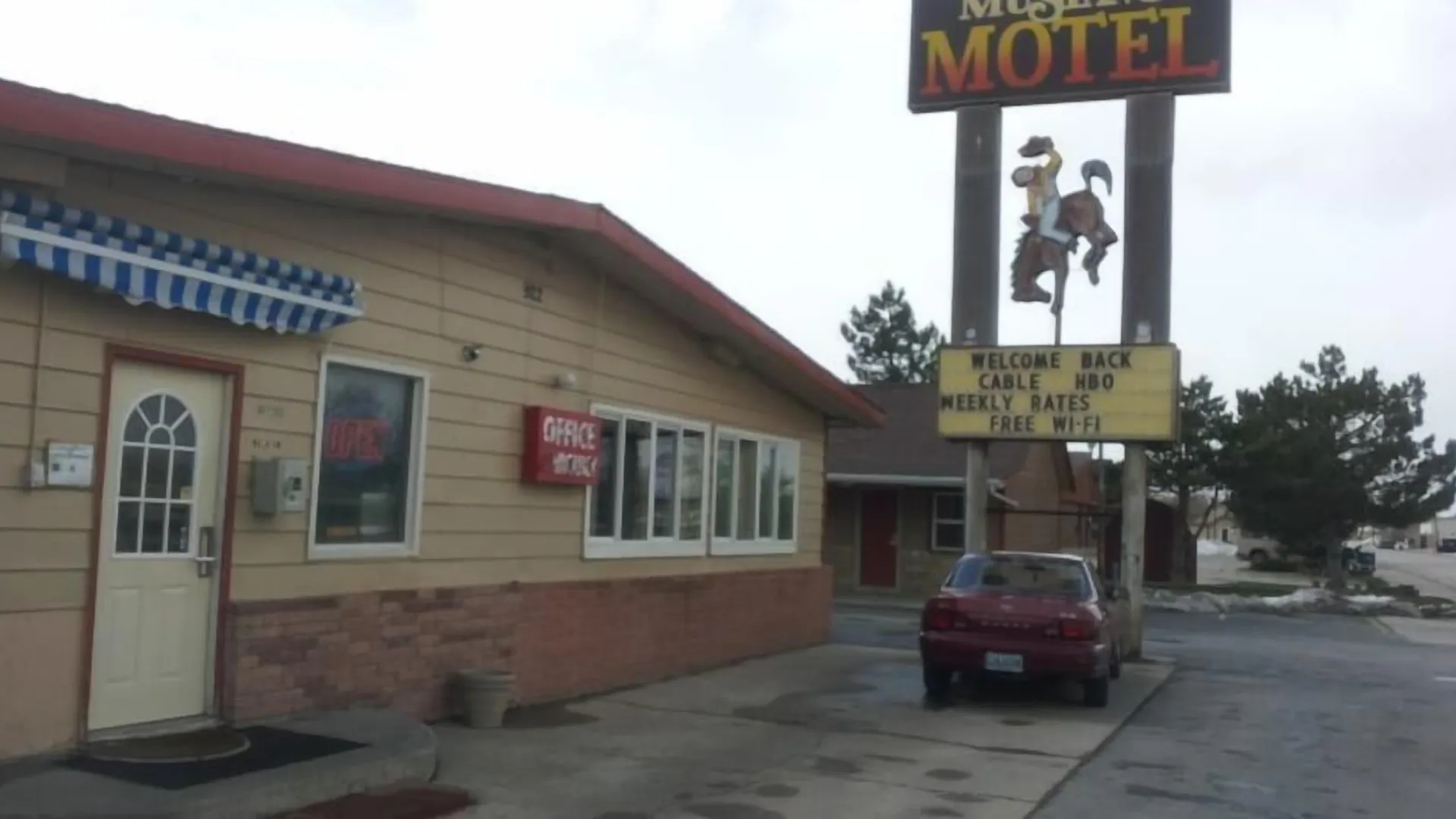
1. Mustang Motel
Show on map


Just a few rooms left at the best rate!
fromUS$ 45
-
2. Plains Motel
Show on map


Just a few rooms left at the best rate!
fromUS$ 64
Best Premium Stays in Wyoming
These resort-style properties offer Wyoming's most complete on-site experience - combining scenic positioning, full-service dining, and recreational facilities that justify longer stays and make them genuine destination bases rather than just overnight stops.
-
3. Flying Saddle Resort And Steak House
Show on map


Hurry – almost gone at this price!
fromUS$ 89
-
4. Crooked Creek Guest Ranch
Show on map


Rooms filling fast – secure the best rate!
fromUS$ 196
Smart Travel and Timing Advice for Wyoming
Wyoming's travel calendar is sharply seasonal, and booking strategy needs to reflect that reality. July and August are the absolute peak months - Yellowstone alone receives around 4 million visitors annually, with the majority concentrated in those two months, pushing gateway town accommodation to full capacity weeks in advance. Late May through mid-June offers the first viable window of open roads, snow-free hiking, and available hotel inventory at rates meaningfully below summer peak - typically the best combination of access and value for first-time visitors. September is the preferred month for experienced Wyoming travelers: wildlife activity increases as elk rut begins, cottonwood trees turn gold along river corridors, and crowds drop sharply after Labor Day.
For the ranches and resort properties in Alpine and Dubois, a minimum stay of two nights is worth planning - the driving investment to reach these locations makes a single overnight stay inefficient. Douglas and roadside motel stays are better suited to single-night stopovers within a multi-destination road trip circuit. Winter travelers targeting snowmobiling in Dubois or skiing at Jackson Hole should book accommodation in November, as January and February inventory in gateway towns tightens quickly once ski season opens fully.